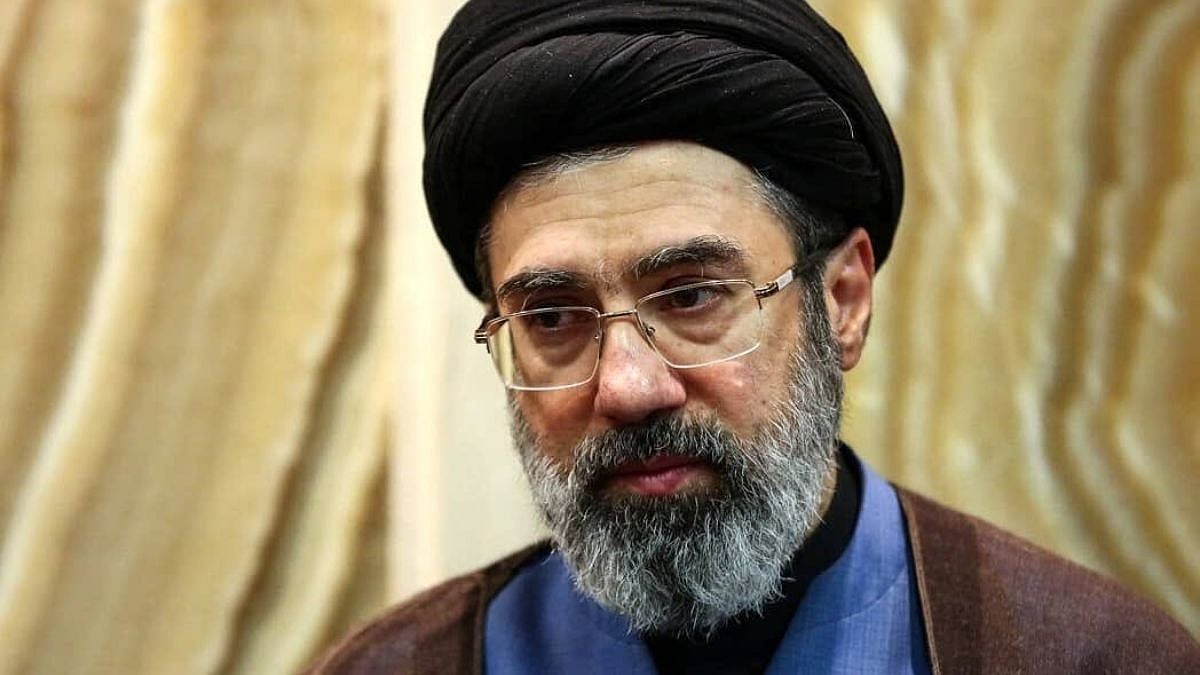
In a controversial and unprecedented decision, Mojtaba Khamenei, 56, son of the late Supreme Leader Ayatollah Ali Khamenei, has reportedly been chosen as Iran’s new Supreme Leader. The appointment comes amid heightened conflict with the United States and Israel, following strikes that killed the previous Supreme Leader.
Assembly of Experts Approves Amid Pressure
Sources reveal that Iran’s 88-member Assembly of Experts, constitutionally tasked with selecting the Supreme Leader, voted for Mojtaba this week. Reports indicate the Islamic Revolutionary Guard Corps (IRGC) played a decisive role in influencing the outcome, highlighting their expanding political and economic clout.
Break From Tradition Sparks Debate
Analysts point out that Mojtaba’s rise breaks from Iran’s tradition of non-hereditary leadership. Critics argue that passing authority from father to son mirrors monarchical systems, contradicting the principles of the 1979 Islamic Revolution. Despite not holding an official position, Mojtaba has long been a behind-the-scenes strategist with deep ties to the IRGC and Iran’s religious establishment.
Supreme Leader’s Role in Turbulent Times
The Supreme Leader in Iran holds ultimate control over the political system, armed forces, judiciary, and state institutions, including the IRGC. With ongoing missile and drone exchanges with the US and Israel, Mojtaba’s elevation adds uncertainty to an already volatile region.
Security Concerns Amid Appointment
Reports suggest the vote may have been conducted under strict security measures or remotely after an Israeli strike targeted a Qom building where clerics were expected to meet. Iran’s official media has yet to confirm the Assembly’s decision, but multiple international outlets, including Iran International, cite sources confirming Mojtaba’s selection.
Global Implications
Mojtaba’s rise is fueling debate both within Iran and abroad. Observers warn that a hereditary leadership model could intensify regional tensions and alter the trajectory of theocratic governance in Iran, affecting the broader Middle East geopolitical balance.