At Gallery G, Bengaluru: At a time when Indian contemporary art is often discussed through the lens of global markets and metropolitan centres, The Masters & The Modern: East Edition at Gallery G offers a quieter, more reflective proposition. Curated by Kallol Bose, the exhibition traces the evolution of artistic practice in Eastern India—across Bengal, Bihar, Odisha, and Jharkhand—by placing generations of artists in dialogue rather than in competition.
Instead of presenting history as a closed chapter, the exhibition treats it as a living continuum. Early masters, modern innovators, and contemporary practitioners appear not as isolated categories, but as participants in an ongoing conversation about form, identity, and social change.
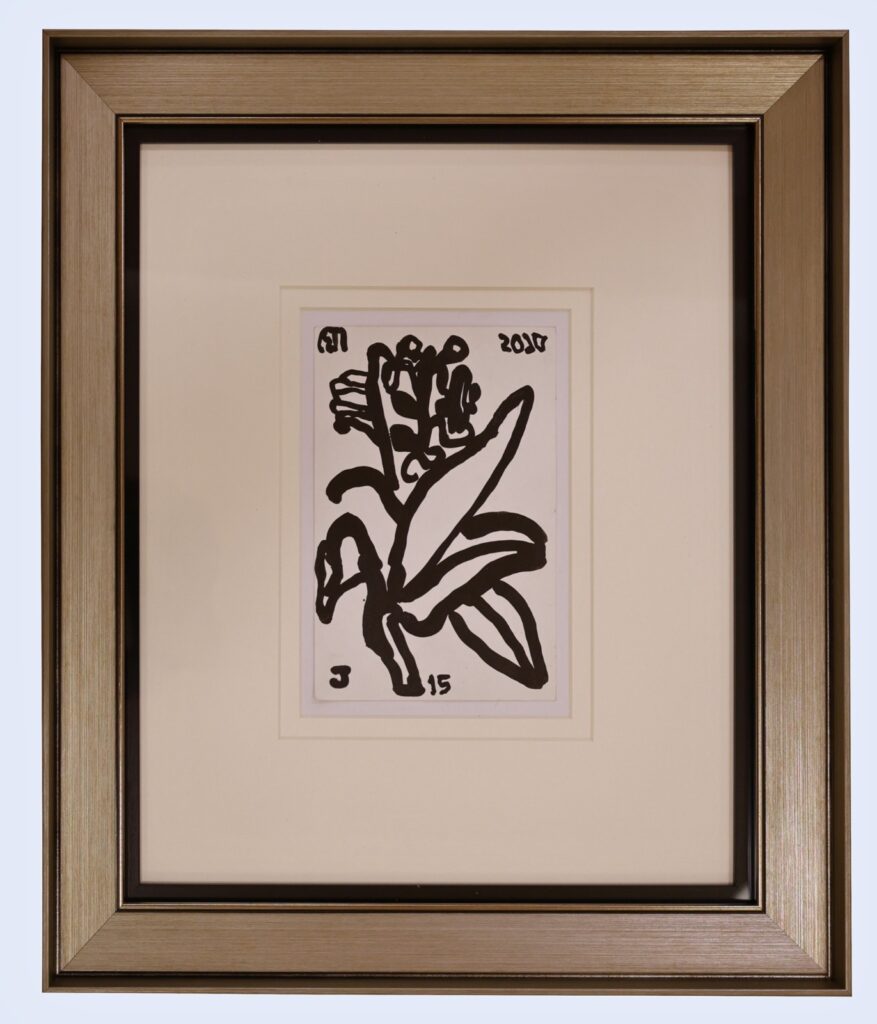
At the heart of the exhibition are works by early masters such as Dhirendranath Brahma, Sunil Madhab Sen, and Sudhir Munshi. Emerging from the intellectual and cultural milieu shaped by Abanindranath Tagore and the Bengal School, these artists developed a distinctly Indian modernism—one that prioritised mood, lyricism, and inner life over academic realism. Their paintings are marked by tonal subtlety and restraint, drawing the viewer inward rather than confronting them outright.
Many of these early masters were also educators, deeply involved in shaping art pedagogy in Eastern India. Their influence extended beyond individual styles, laying the foundations for an artistic ecosystem where sensitivity, reflection, and cultural rootedness were valued as much as technical skill. In this context, their presence in the exhibition functions not merely as historical reference, but as a reminder of how artistic values are transmitted across generations.
The exhibition then shifts to the modern masters—Jogen Chowdhury, Sunil Das, and Paritosh Sen—whose works reflect the turbulence and urgency of post-Independence India. Here, figuration becomes more intense and psychologically charged. Distorted bodies, compressed spaces, and assertive lines replace the gentler lyricism of earlier generations. These artists confronted social realities head-on, engaging with alienation, political anxiety, and the contradictions of a rapidly changing society.
Yet even in their experimentation, these modernists remained deeply rooted in regional experience. Their modernism did not reject tradition outright; instead, it reworked inherited visual languages to address contemporary concerns. Seen alongside the early masters, their works highlight how continuity and rupture coexist within Eastern India’s artistic trajectory.
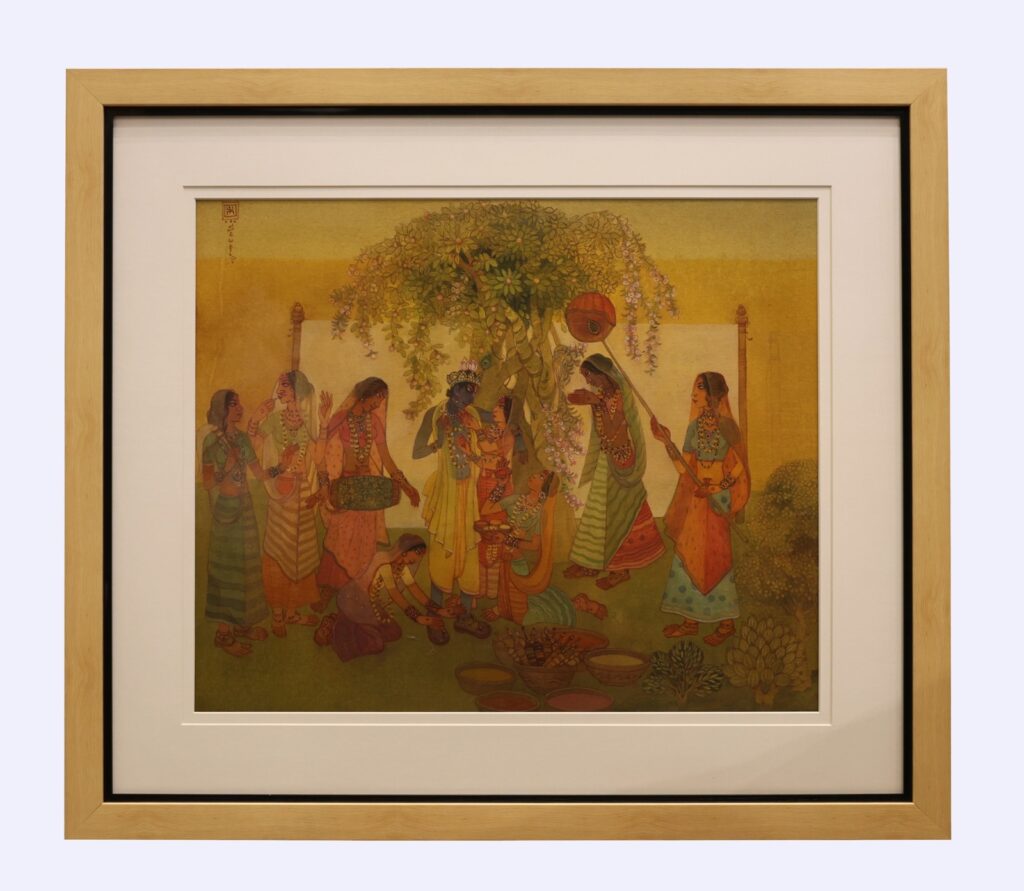
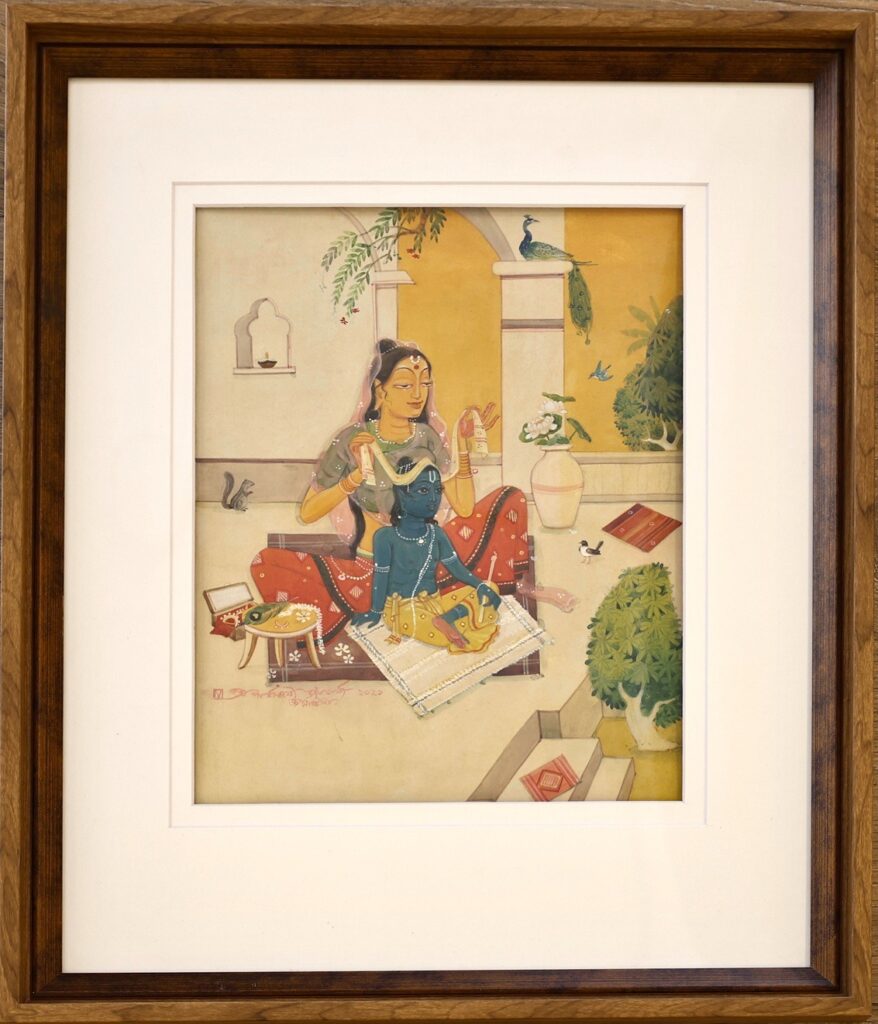
A particularly compelling section of the exhibition revisits the “Indian Style” of painting—a movement once central to art education under E. B. Havell and Abanindranath Tagore. Drawing from mural traditions, miniature painting, and classical narratives, the Indian Style sought to reclaim indigenous aesthetics at a time of colonial dominance. Though largely sidelined in contemporary practice, the exhibition presents works by Stuti Laha and Partha Sarathi Bhattacharjee that engage with this legacy critically rather than nostalgically. Their works treat the Indian Style as an archive—something to be questioned, reinterpreted, and reactivated for the present.
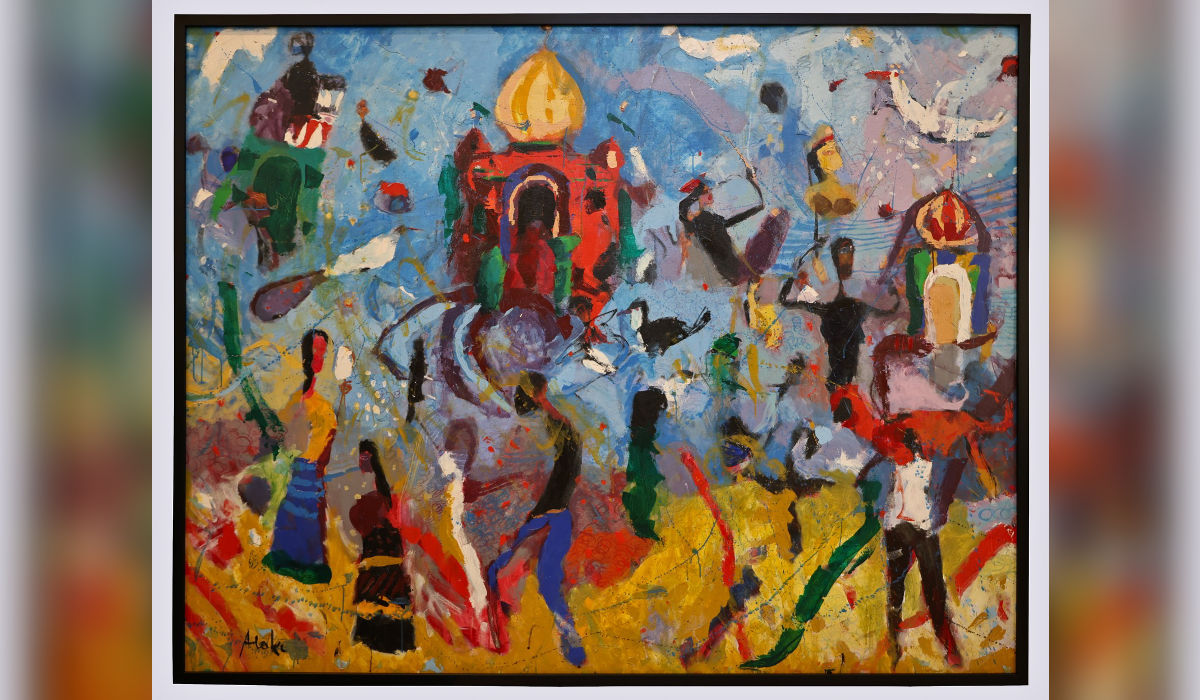
The contemporary section brings together seventeen established and emerging artists, including Aloke Sardar, Pradip Maitra, Tarun Ghosh, Haren Thakur, Milan Das, Kuntal Dutta, Ishita Adhikary, Sutanu Panigrahi, C. R. Hembram, Sanjay Singh, Kartick Pal, and Anshuka Mahapatra. Their works respond to pressing realities such as urbanisation, ecological degradation, migration, and shifting identities. Here, beauty often gives way to urgency, and personal narratives intersect with broader social concerns.
What distinguishes this section is not a unified style, but a shared engagement with lived experience. The works oscillate between protest and introspection, offering multiple ways of seeing a region in flux. Rather than presenting Eastern India as a static cultural entity, the exhibition foregrounds its internal diversity and ongoing transformation.
Ultimately, The Masters & The Modern: East Edition proposes “East” not merely as a geographical marker, but as a way of thinking—one shaped by layered histories, pedagogical traditions, and a persistent dialogue between past and present. Under Kallol Bose’s curatorial vision, the exhibition resists linear narratives of progress. Instead, it invites viewers to consider how artistic traditions endure precisely because they are continuously reimagined.
In doing so, the exhibition offers a rare opportunity to engage with Eastern India’s art history as a living, breathing continuum—one that remains deeply relevant to contemporary cultural conversations.
Exhibition Details
The Masters & The Modern: East Edition
Venue: Gallery G Maini Sadan, 38, Lavelle Road, Ashok Nagar, Bengaluru
Dates: Ongoing until 31 March 2026