X: @anjanasasi
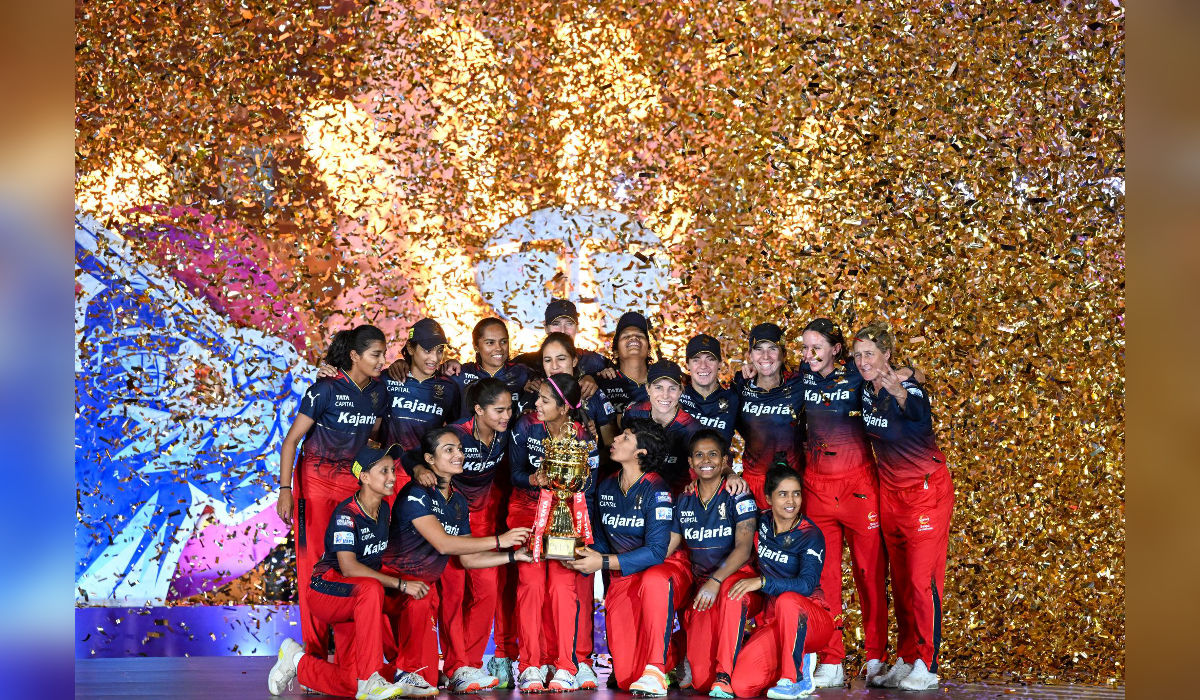
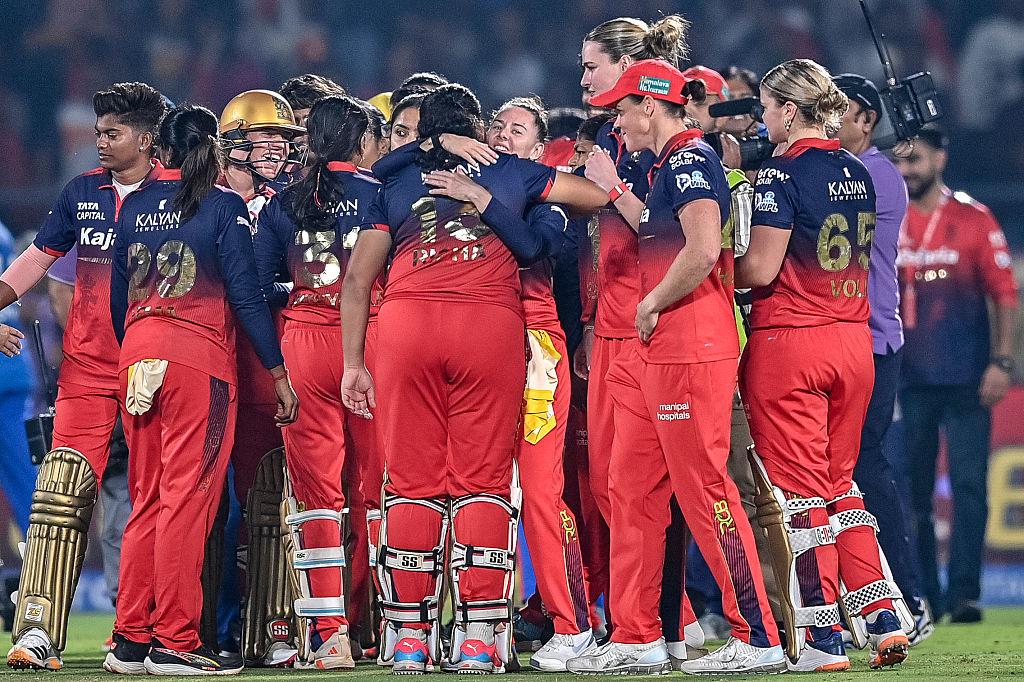
Mumbai: Royal Challengers The Bengaluru Women won the WPL 2026 title because they had the skills that make a team a champion, not just a league team. They had a leader who was willing to take charge, batters who thrived under pressure, partnerships that kept the momentum going, and a group calm that never wavered, even when things got tough. The final in Vadodara showed all of those strengths in one game. RCB calmly chased down a huge target set by Delhi Capitals Women, not by causing chaos, but by staying in control.
A captain’s knock transformed the game (and the tournament).
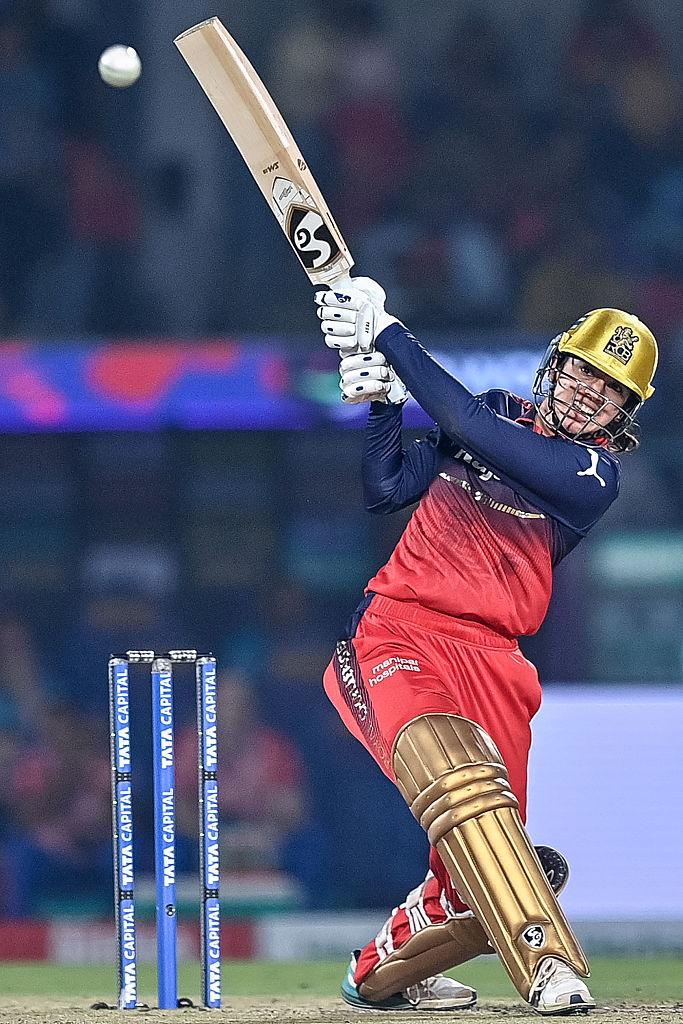
The trophy ended up in RCB’s hands because of the way Smriti Mandhana played. She batted first even though she had a high fever, but she never let her illness affect her mood. What happened next was an innings based on authority and clarity instead of fear.
She attacked from the start but never lost control. She threaded drives through the off side, hit straight with power and timing, and punished anything that was even a little loose. It wasn’t just survival batting; it was dominating under pressure. Even though the required rate changed, her goal stayed the same. She set the pace of the chase instead of responding to it.
Most importantly, her innings changed what it meant to be a leader in a final. She took away the stress in the dressing room by choosing bravery over caution and dedication over comfort. Because the captain had already taken on the hardest job, her teammates could play their parts however they wanted.
That hit had effects that went far beyond the score. When a leader acts like that in a final, the whole team starts to believe in them.
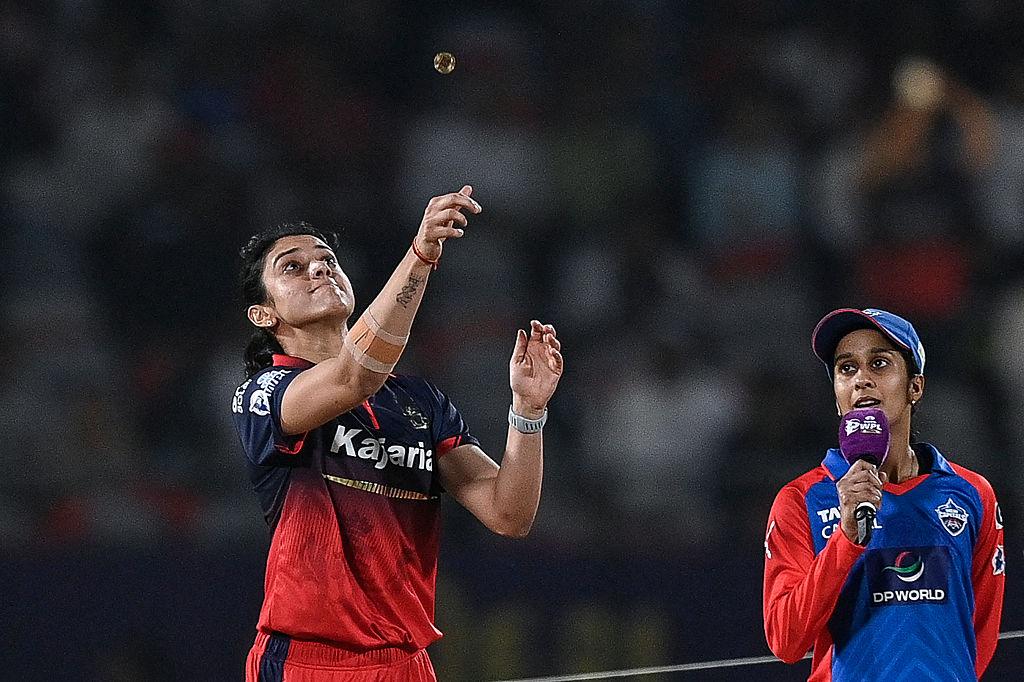
Partnerships that win matches and clear roles
RCB’s chase was never just about individual brilliance. The most important thing about the innings was the second-wicket partnership between Mandhana and Georgia Voll. After losing an early wicket of Haris, the two worked hard to rebuild and didn’t let the chase get out of hand.
The pressure started to shift as the partnership moved from fifty to three figures. At first, the chase was terrifying; the total to chase was 203, the highest total in a WPL or IPL final. The required run rate was above 10.5, but it slowly turned into a controlled pursuit. When the stand reached 150 runs, the middle order was no longer under pressure, and Delhi was forced to change their bowling strategy. Jamima chose Shafali over Minnu Mani, but the way RCB batted was outstanding.
Long partnerships in finals don’t just add runs; they also make people lose faith. That was exactly what happened. With each over that went by without a breakthrough, Delhi’s room for error got smaller and RCB’s confidence grew.
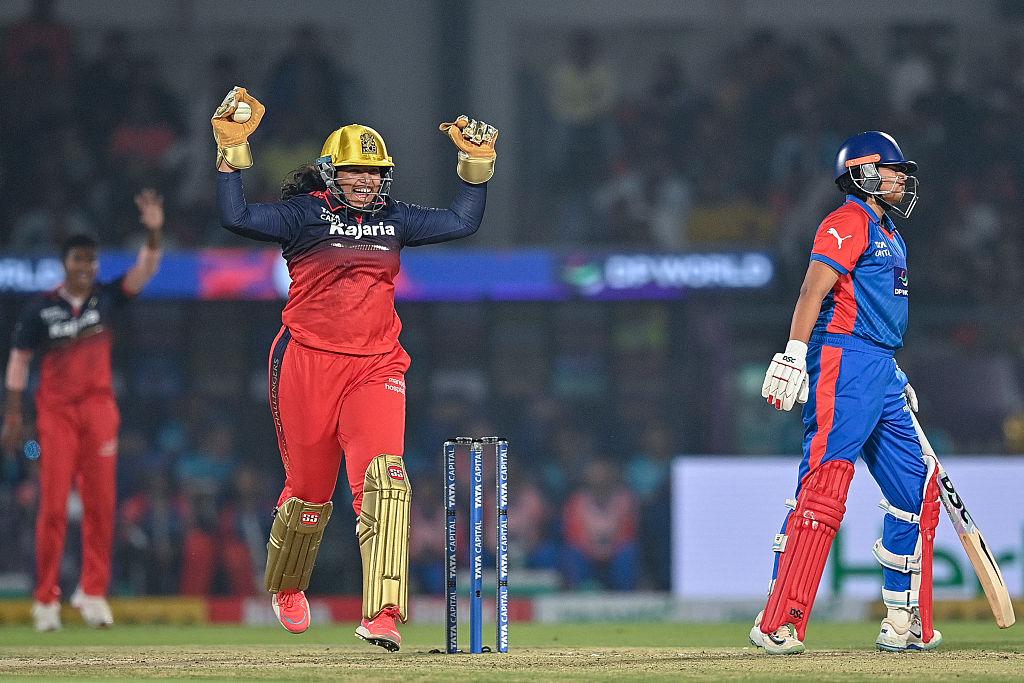
Execution under pressure—planning that fits with skill
The success of RCB depended on how well preparation and execution worked together. Their batters took turns hitting the ball, aimed at certain bowlers, and sped up in clear phases instead of in a panic. They punished bad pitches right away, but they respected good ones.
The pitch was read correctly, and the scoring areas were found quickly. By finding boundaries in clusters instead of isolated bursts, RCB made sure that the required rate never went up too high. The rhythm didn’t change even when wickets fell later, which showed that the team trusted its planning and depth.
This level of calmness is rare in high-pressure finals, and it showed that the team had grown both mentally and tactically.
The main reasons why Delhi Capitals Women didn’t do well
Delhi Capitals were one of the best teams in the tournament and deserved to be in the final. Jemimah Rodrigues led their strong batting effort, which gave them a total that should have been easy to defend. But finals show small flaws in a very harsh way.
Their first problem was that they couldn’t break up the important partnership early on. Even though they hit once at the start, they couldn’t break up the Mandhana–Voll stand before it became the match’s defining moment. Once a partnership reaches 100 in a high-pressure chase, things change completely, and Delhi never fully recovered from that point on.
Another thing was the execution at the end. Delhi’s bowling had been disciplined throughout the tournament, but the final needed almost perfect accuracy. A few deliveries that weren’t quite right in length or line turned into boundaries, and in a chase this big, those little mistakes added up quickly.
There was also a clear psychological weight. When someone keeps going to the finals but never wins the trophy, they may hesitate at important times. RCB played with freedom and conviction, but Delhi seemed to be weighed down by the need to end the game quickly. As the game progressed, this disparity became increasingly evident.
How the loss happened
Delhi didn’t lose the final because of one big mistake or one disastrous over. The loss happened slowly over time. They batted well and set up the game well, but once RCB got used to the early wicket, they started to lose control.
The long partnership changed the pace of the game, and Delhi couldn’t get it back by putting on more pressure or by hitting many dot balls. Changes to the bowling and field didn’t help, so RCB was able to control the chase on their own terms. The result had already been decided earlier in the innings by the time the last overs came around.
Also Read: The Weight of History, Firepower, and Familiarity
Smriti Mandhana—more than just numbers
Statistics only show part of the effect Mandhana had. Her innings stood out for how mentally strong she was. She batted through being sick without losing focus or execution. It showed a full range of strokeplay, from classical drives to powerful shots over the infield, all played with balance and accuracy.
It was mostly an innings of leadership. She set the pace and took the heat, which let others play freely. Championship-winning captains have that intangible quality that allows them to lift a team in the most important moment.
The bigger picture—other teams in WPL 2026
The 2026 season showed how competitive the league was becoming. Mumbai Indians Women consistently raised the standard with their balance, experience, and understanding of major games. Gujarat Giants Women played with fearless intent and explosive batting that could change the course of a match in just a few overs. UP Warriors Women made clear progress by taking on stronger teams and showing that they would keep getting better over time. By making it to the final again, Delhi Capitals showed that they are always in the running.
Final thoughts
Not only did RCB deserve the WPL 2026 trophy, but they also demonstrated leadership, planning, teamwork, and mental strength during crucial moments. Delhi Capitals didn’t win because they missed chances, made small mistakes in execution, and felt the pressure of the last few minutes.
Above all, people will remember Smriti Mandhana’s brave, graceful innings in the final. It showed how fearless, disciplined, and dedicated she was to the team. It was an inning that won a game and set the tone for a championship.