X: @the_news_21
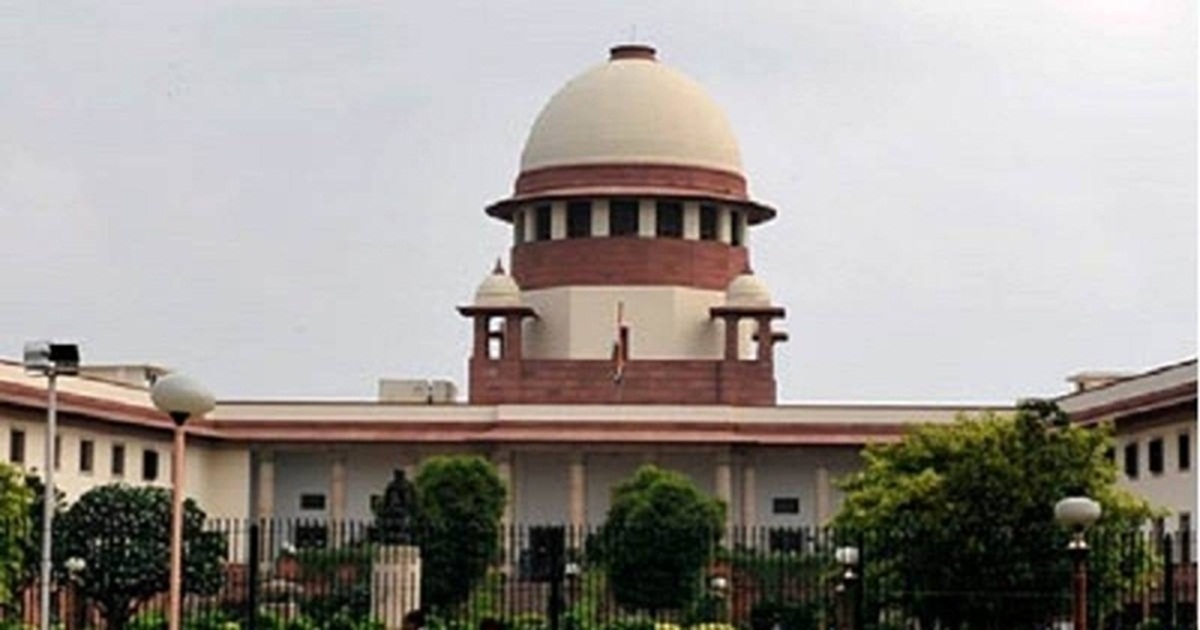
The Indian Union Muslim League (IUML) and the Democratic Youth Federation of India (DYFI) have approached the Supreme Court seeking a stay on the implementation of the Citizenship Amendment Act (CAA), citing concerns over its discriminatory nature.
IUML has filed an application in a pending petition seeking a stay on the implementation of the CAA, stating that the Centre had previously opposed the stay, arguing that the law would not be immediately implemented due to the absence of framed rules.
The petitioners informed the apex court that they had filed a writ petition against the CAA on the day it received the President’s assent in December 2019. Despite issuing a notice to the Centre seeking its response, the writ petition has been pending for 4.5 years.
Highlighting their objections, the petition emphasizes that the CAA Rules, 2024 establish a truncated and expedited process for granting citizenship to specific religious groups, which contravenes the principle of secularism, a fundamental aspect of the Indian Constitution.
The petition urges the Supreme Court to stay the implementation of the CAA rules 2024 until the writ petition is adjudicated. Additionally, it calls for suspending the operation of section 6B in the CAA 2019, which pertains to granting citizenship solely to individuals belonging to certain religions.
The Ministry of Home Affairs officially notified the implementation of the CAA on Monday, enabling expedited citizenship for undocumented non-Muslim migrants from Pakistan, Bangladesh, and Afghanistan who arrived in India before December 31, 2014.
Union Home Minister Amit Shah celebrated the notification, stating that it fulfills the commitment to persecuted minorities in neighboring countries. However, the move has reignited controversy, with IUML asserting that the Act’s exclusion of Muslims constitutes unlawful religious discrimination.
This latest legal maneuver underscores the ongoing debate surrounding the CAA’s constitutionality and its implications for religious minorities in India. As the Supreme Court deliberates on the IUML and DYFI’s plea, the future of the controversial legislation remains uncertain, amidst persistent calls for a more inclusive and equitable approach to citizenship rights.
Also Read: Indian Air Force’s Light Combat Aircraft Tejas Crashes in Jaisalmer: Pilot Safe