X: @the_news_21
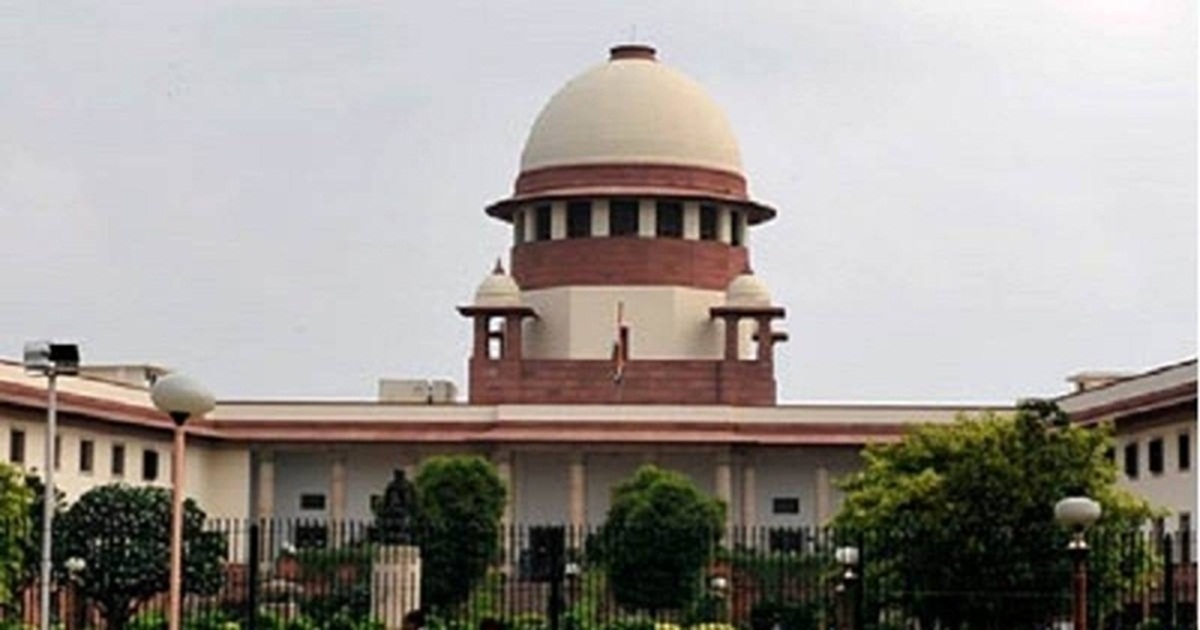
The Supreme Court’s recent stay on the Bombay High Court’s December 13 order to hold an immediate bypoll for the vacant Pune Lok Sabha seat, following the passing of Bharatiya Janata Party (BJP) MP Girish Bapat on March 29, has ignited a discourse on representation within the parliamentary framework.
Headed by Chief Justice of India Dhananjaya Y Chandrachud, the apex court bench flagged the necessity to scrutinize Section 151 of the Representation of the People Act. This section mandates the Election Commission of India (ECI) to fill casual vacancies in parliamentary and state legislative houses, stipulating that a bypoll must occur within six months of the vacancy’s occurrence.
While acknowledging the impending Lok Sabha elections and the Act’s provision requiring a bypoll if the remainder of the member’s term exceeds one year, the court issued a notice to Pune resident Sughosh Joshi, the petitioner behind the high court order. The case is slated for listing in March or April, signaling the court’s intent to establish a legal precedent in this domain.
The High Court’s December order rebuffed the ECI’s contention against holding the election, citing the commission’s engagement with other polls, including preparations for the 2024 Lok Sabha elections, as “bizarre and wholly unreasonable.” Emphasizing the essence of parliamentary democracy, the High Court underscored the imperative nature of representation, deeming it unconstitutional to leave a constituency unrepresented.
Expressing the ECI’s obligation to conduct elections and fill vacancies, the High Court emphasized that denying voters their right to representation contradicts the fundamental tenets of democracy. However, the ECI argued against holding the bypoll, citing its engagement with impending elections and the short tenure the elected representative would serve if elected.
The legal deliberations orbiting around representation and the ECI’s constitutional duty to ensure electoral representation elucidate the complex interplay between parliamentary obligations, constitutional mandates, and the practical challenges faced by electoral bodies.
The Supreme Court’s intervention hints at a deeper scrutiny of electoral laws and constitutional obligations, navigating the balance between fulfilling representation voids and the logistical challenges encountered by election authorities. This pivotal case will not only address the Pune bypoll but is poised to set crucial legal precedents shaping future electoral procedures and representation dynamics in India’s democratic framework.
Also Read: IndiGo’s Fuel Charge Retreat: Decoding Seat Selection Revamp and Ancillary Revenue Surge