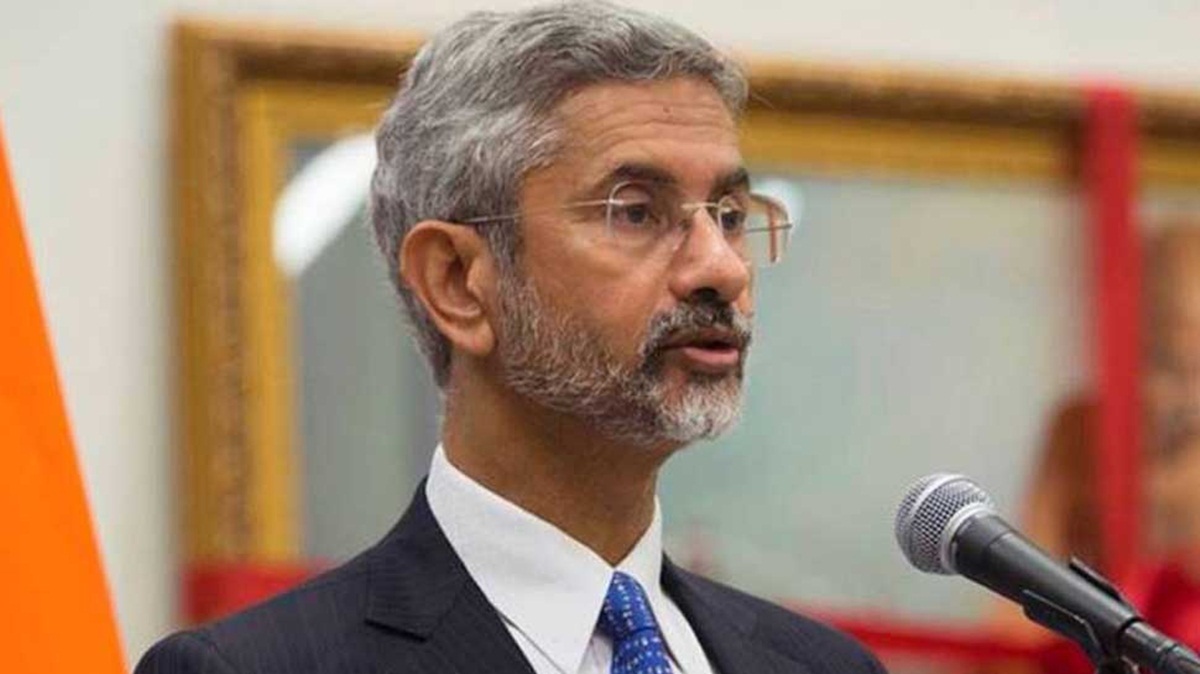
Amid rising tensions in West Asia and reports of several international vessels stranded in the strategic Strait of Hormuz, India’s External Affairs Minister S. Jaishankar has revealed that India’s diplomatic engagement with Iran helped Indian-flagged ships move safely through the sensitive maritime corridor.
The development comes at a time when global concerns over shipping safety have intensified due to the ongoing confrontation involving Iran, the United States and Israel. The Strait of Hormuz is one of the world’s most crucial oil transit routes, and disruptions there can have global economic consequences.
Indian Diplomacy Helps LNG Ships Cross Safely
Speaking in an interview with the Financial Times, Jaishankar said India’s direct engagement with Iranian authorities helped two Indian LNG carriers safely navigate through the Strait of Hormuz despite the tense security situation.
“I am currently in talks with them and we have achieved some results. This process is ongoing. If this brings results, it is natural that I will continue it,” Jaishankar said.
His remarks suggest that diplomatic dialogue between India and Iran played a key role in allowing the safe passage of Indian vessels through a route that remains partially restricted due to the conflict.
No Formal Deal Between India and Iran
The External Affairs Minister clarified that there is no formal or blanket arrangement between India and Iran for the movement of Indian ships through the strait.
According to him, the safe passage of the LNG carriers was not the result of any transactional agreement or exchange between the two countries.
“It’s not an exchange issue. India and Iran have a relationship. And this is a conflict that we regard as something very unfortunate,” he said.
Jaishankar also stressed that the Iranian side did not receive anything in return for allowing Indian ships to pass through the route.
Each Ship Being Evaluated Individually
The minister further explained that there is no broad understanding guaranteeing the free movement of all Indian vessels. Instead, each ship is being evaluated individually while diplomatic talks continue.
He also acknowledged that several more Indian-flagged vessels remain in the region and are awaiting clearance to move through the strategic waterway.
“These are still early days. We have many more ships there. While this is a welcome development, there is continuing conversation because there is continued work on that,” he said.
Global Tensions Over Strait of Hormuz
The situation in the Strait of Hormuz has drawn international attention as tensions escalate in the region. Recently, US President Donald Trump urged multiple countries to deploy naval forces to secure the maritime route.
Many international ships have reportedly remained stranded or delayed in the region due to security concerns.
For India, which depends heavily on energy imports passing through this corridor, ensuring safe maritime movement has become a major diplomatic priority.
India Continues Diplomatic Engagement
Jaishankar indicated that discussions with Iranian authorities are ongoing and India will continue engaging diplomatically to ensure the safety of its vessels and trade routes.
The development highlights India’s careful diplomatic balancing in the region as it maintains relations with multiple stakeholders amid escalating geopolitical tensions.
Why is the Strait of Hormuz important?
The Strait of Hormuz is one of the world’s most important oil transit routes. A large portion of global oil and gas shipments pass through this narrow maritime corridor connecting the Persian Gulf with international waters.
How did Indian ships manage to cross safely?
According to External Affairs Minister S Jaishankar, India’s diplomatic engagement with Iran helped two Indian LNG carriers navigate the strait safely despite ongoing regional tensions.
Is there a formal agreement between India and Iran for ship passage?
No. Jaishankar clarified that there is no blanket or formal arrangement. Each ship’s passage is being handled individually through diplomatic discussions.
Are other Indian ships still waiting in the region?
Yes. Several Indian-flagged vessels are reportedly still in the area and discussions are continuing to facilitate their safe passage.
Why are ships stranded in the Strait of Hormuz?
Ships have been delayed due to rising tensions between Iran, the United States and Israel, which has created security concerns and partial restrictions in the region’s shipping routes.