X: @the_news_21
The Allahabad High Court has made a significant ruling regarding the dispute over the Gyanvapi mosque complex in Varanasi, dismissing the appeal by the Anjuman Intezamia Masjid Committee (AIMC) on Monday. This decision comes in response to a challenge against the Varanasi District Judge’s order, which permitted Hindu devotees to offer prayers inside the ‘Vyas Ka Tehkhana’ area within the mosque complex.
Justice Rohit Ranjan Agarwal presided over the judgment, which followed a period of deliberation and debate between the involved parties. The culmination of this legal process was eagerly awaited, with the announcement scheduled for the mentioned Monday.
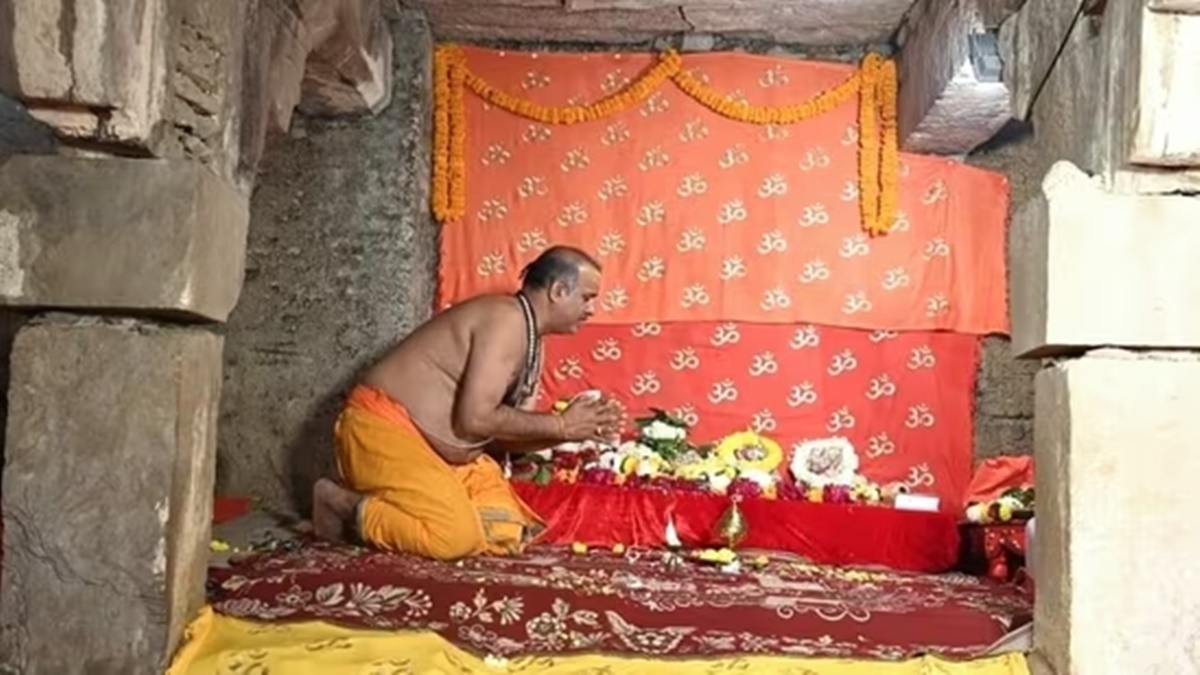
At the heart of the dispute lies the ‘Vyas Ka Tehkhana’ area, one of the four cellars (‘tahkhanas’) located in the basement of the mosque. Notably, one of these cellars remains in the possession of the Vyas family, who historically resided there.
Criticism of the Varanasi court’s decision has emerged, particularly from All India Majlis-e-Ittehadul Muslimeen (AIMIM) president Asaduddin Owaisi. He argued that allowing Hindu prayers in the disputed area violates the Places of Worship Act. Owaisi highlighted concerns over the timing of the judgment, suggesting that it was made hastily on the retiring judge’s final day. Additionally, he questioned the evidence presented, emphasizing the lack of prayer activity in the area since 1993 and challenging assertions about the presence of an idol.
Owaisi further criticized the abruptness of the court’s directive to open the grills within seven days, arguing that it deprived stakeholders of adequate time to appeal. He emphasized the need for the Modi government to affirm its commitment to the Places of Worship Act, citing its fundamental role in previous legal decisions.
The Gyanvapi mosque complex dispute is emblematic of broader tensions surrounding religious sites in India and the legal frameworks governing their management. As this legal saga unfolds, it underscores the complexities inherent in reconciling religious freedoms with legal statutes, particularly in a diverse and historically layered society like India.