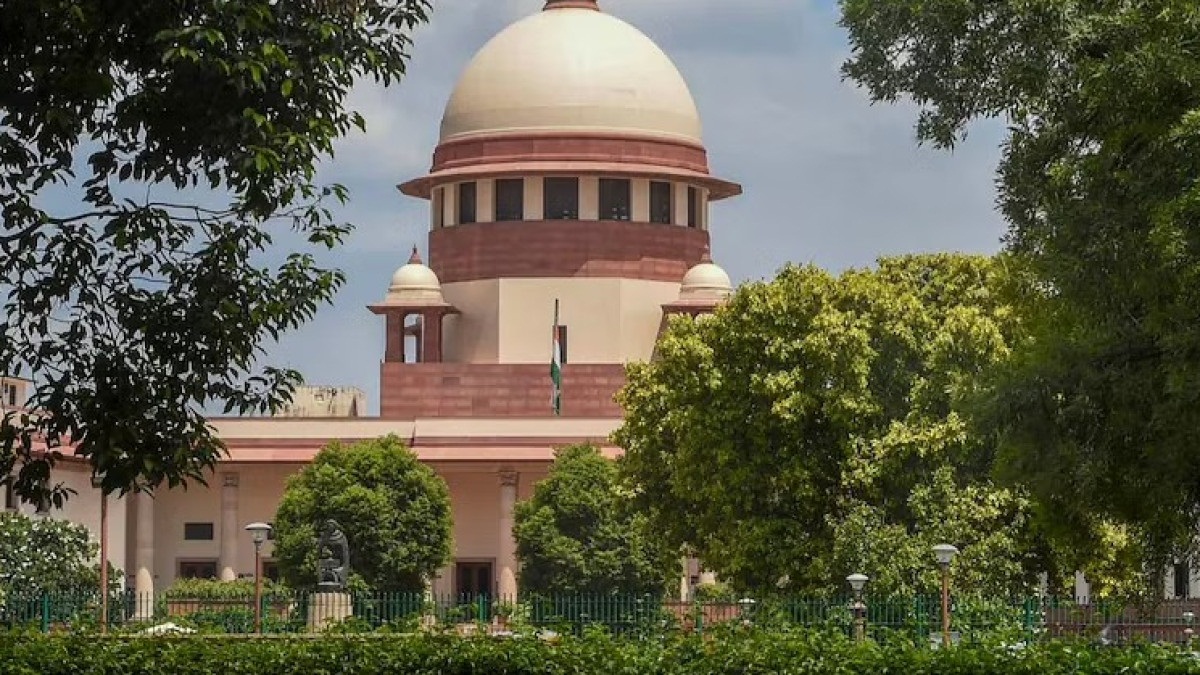
In a historic decision, the Supreme Court of India on Wednesday allowed passive euthanasia for the first time under the legal framework laid down in the 2018 judgment of Common Cause vs Union of India.
The ruling came from a bench of Justice JB Pardiwala and Justice KV Viswanathan, marking a significant milestone in India’s evolving legal recognition of the right to die with dignity.
The order was delivered while hearing a plea filed by the father of Harish Rana, a 32-year-old man who has been in an irreversible vegetative state for more than a decade.
A First Under India’s Passive Euthanasia Framework
While passive euthanasia had been legally recognised earlier, this case marks the first time the Supreme Court has formally permitted it under the operational guidelines established in the Common Cause judgment, which were further clarified in 2023.
The ruling allows the withdrawal of life-sustaining treatment in specific circumstances where medical experts confirm that recovery is impossible and the patient remains in a permanent vegetative condition.
Legal experts say the decision strengthens the judiciary’s interpretation of Article 21 of the Constitution, which guarantees the right to life and has been expanded to include the right to live — and die — with dignity.
The Tragic Story Of Harish Rana
During the hearing, the court recorded the heartbreaking medical history of Harish Rana.
The bench noted that Rana was once a bright young man whose life changed dramatically after a devastating accident.
“Harish Rana, presently aged 32 years, was once a young, bright boy. He met with a tragic life-altering accident after a fall from the fourth floor of his paying guest accommodation,” the bench observed.
According to the court, the severe brain injury left him in a Persistent Vegetative State (PVS) along with 100 percent quadriplegia.
Medical reports presented before the court showed that his condition has not improved for the past 13 years, despite continuous medical care.
Court Examines Medical Evidence
The judges carefully reviewed medical reports and expert opinions before arriving at the decision.
Doctors confirmed that Rana’s brain damage was irreversible and that there was no realistic possibility of recovery, making the continuation of life-support treatment medically futile.
The court emphasised that such decisions must be taken with extreme caution and only after strict medical and legal verification.
A Major Step In India’s Right-to-Die Debate
The ruling is expected to have a major impact on future euthanasia petitions in India.
India legally recognises passive euthanasia, which involves withdrawing life-support systems such as ventilators or artificial nutrition when recovery is impossible. However, active euthanasia, where doctors directly administer a life-ending drug, remains illegal.
Legal experts believe the Harish Rana case could become a key precedent in India’s right-to-die jurisprudence, offering guidance to families and courts dealing with similar cases.
The judgment also highlights the emotional and ethical dilemmas faced by families caring for patients in long-term vegetative states.