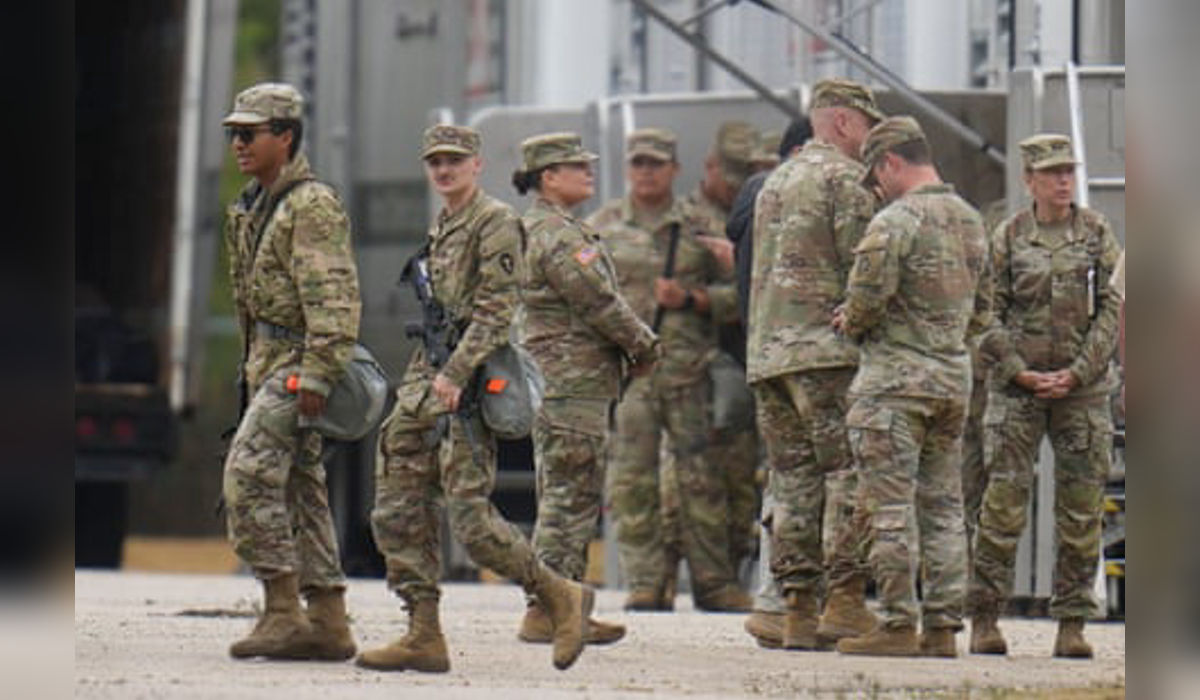
The United States military has confirmed that about 140 American service members were wounded during the first 10 days of sustained attacks linked to the ongoing US military campaign against Iran, raising fresh concerns about the human cost of the conflict and the risk of further escalation in the Middle East.
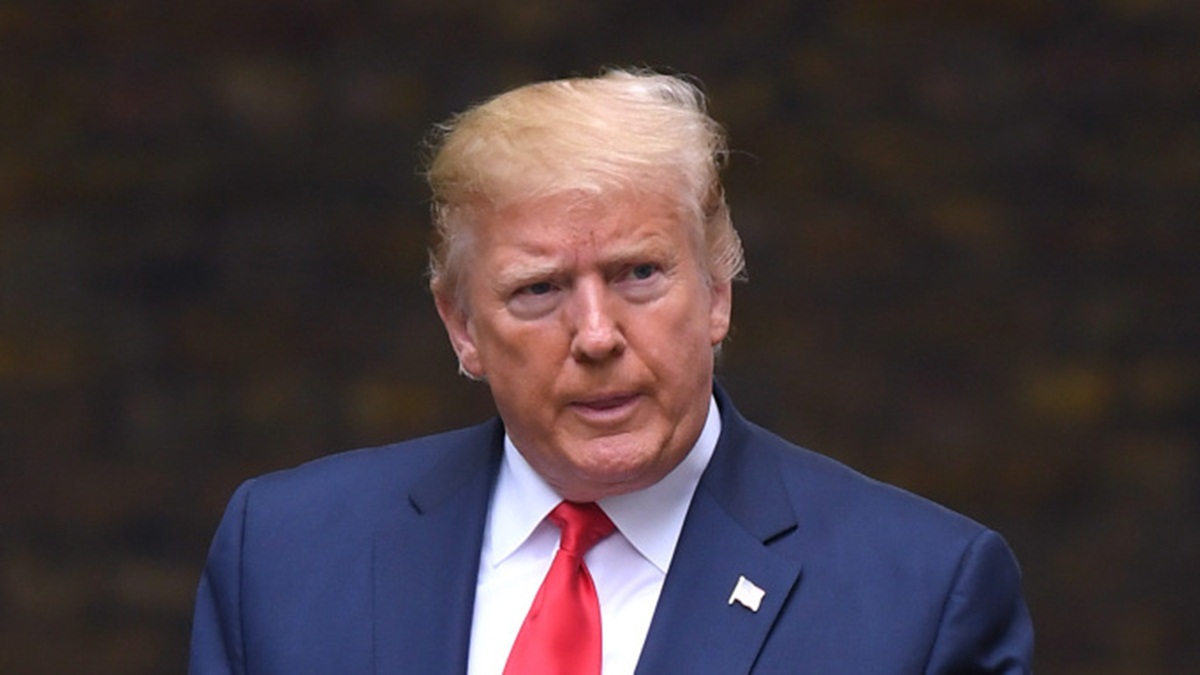
The figures were disclosed by the Pentagon as senior Democratic lawmakers demanded public hearings on the war launched under the administration of US President Donald Trump.
Pentagon Reveals Casualty Numbers
According to the Pentagon, the injuries occurred during the opening phase of the US operation against Iran, officially named Operation Epic Fury.
Chief Pentagon spokesman Sean Parnell said the majority of the wounded personnel have already recovered and returned to duty.
“Since the start of Operation Epic Fury, approximately 140 US service members have been wounded over 10 days of sustained attacks,” Parnell said in a statement.
He added that most injuries were not life-threatening.
“The vast majority of these injuries have been minor, and 108 service members have already returned to duty. Eight service members remain listed as severely injured and are receiving the highest level of medical care,” he said.
However, the Pentagon did not reveal details about the locations of the attacks or the exact nature of the injuries suffered by the soldiers.
Democrats Demand Public Hearings
The disclosure triggered a strong response from senior Democratic lawmakers in the US Senate, including Senate Majority Leader Chuck Schumer, Armed Services Committee leader Jack Reed, and Foreign Relations Committee leader Jeanne Shaheen.
The three senators have demanded public hearings in Congress to question the administration about the goals and long-term strategy of the war.
In a joint letter to President Trump, they warned that the government’s explanations about the conflict appear inconsistent.
“These ever-shifting goals and explanations suggest there is no clear plan. Further, this raises the risk of mission creep, which, based on history, would likely lead to more US casualties and escalating costs for taxpayers,” the senators wrote.
They also stressed that American citizens and military families deserve transparency.
“The American people – including our men and women in uniform – deserve clear answers about the war and accountability from your administration,” the lawmakers said.
Lawmakers Question War Strategy
The senators further argued that both Congress and the public still lack clarity about the administration’s long-term strategy against Iran.
“Eleven days ago, the American people unexpectedly found themselves at war with Iran,” their letter said.
“Since then, your administration has provided shifting and at times conflicting objectives for this war, refused to define the scope of US operations or the measurements for success, and failed to articulate an end game.”
They also criticised the administration for failing to prepare for the potential consequences of military action.
“Despite your own admission that you controlled the timing for when the US launched strikes on Iran, your administration failed to prepare for the predictable risks that US military action would create for our personnel and assets abroad,” the senators wrote.
Economic Impact Already Visible
The conflict is already beginning to affect the US economy. According to the senators, fuel prices have risen sharply since the escalation of the conflict.
They said gas prices have increased by around 20 percent in just one week, while global crude oil prices have climbed above $100 per barrel, the highest level since 2022.
Lawmakers warned that prolonged conflict in the region could push energy prices even higher and create additional financial pressure on American households.
Fears of a Wider Middle East War
The crisis began after the United States launched military strikes against Iran in late February, dramatically escalating tensions between Washington and Tehran.
The dispute has long revolved around Iran’s nuclear programme, its influence across the Middle East, and its alleged support for armed groups in the region.
Security experts now warn that the conflict could expand into a longer regional war, threatening global energy supplies and international security.
As casualties mount and political pressure grows in Washington, the coming weeks are expected to determine whether the war remains limited or expands into a wider confrontation.