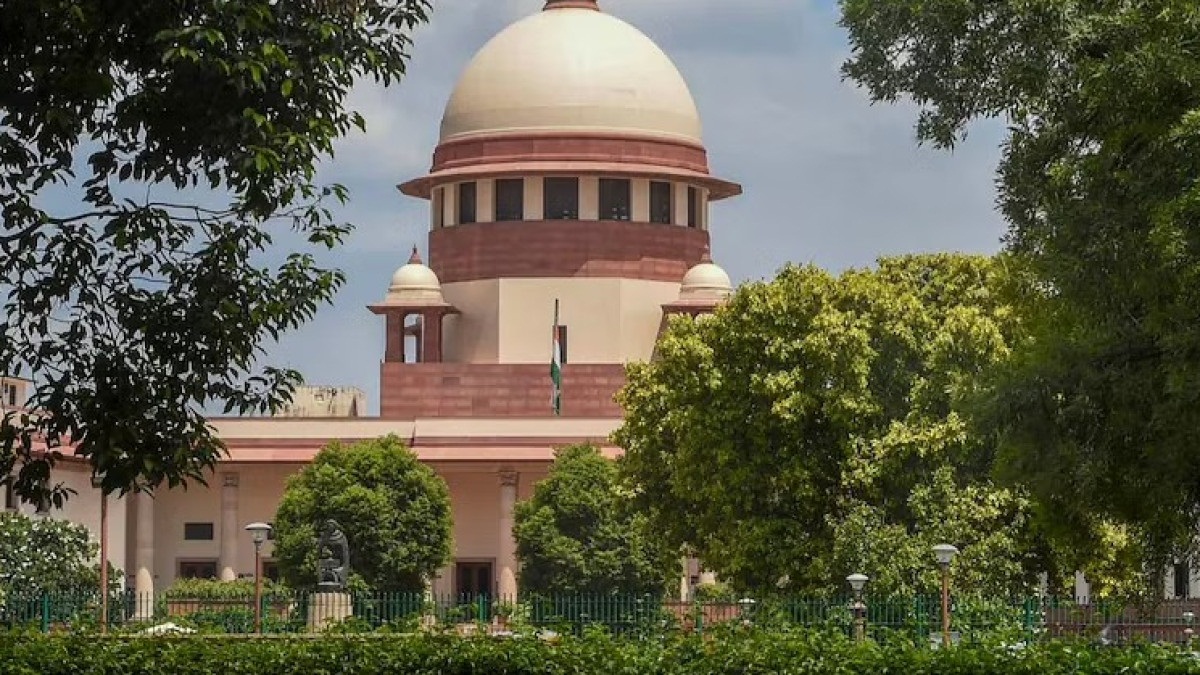
Delhi: In a move that could significantly reshape India’s labour jurisprudence, the Supreme Court on Monday announced that it will constitute a nine-judge Constitution Bench to revisit and conclusively determine the legal meaning of the term “industry” under labour law. The high-impact hearing is scheduled to begin on March 17, 2026, and is expected to address a long-standing judicial debate that has influenced employer-employee relations for nearly five decades.
The reference stems from the landmark 1978 ruling in Bangalore Water Supply & Sewerage Board vs A Rajappa, where a seven-judge bench laid down an expansive interpretation of “industry.” The judgment introduced what came to be known as the “triple test,” holding that any organisation engaged in systematic activity, involving employer-employee cooperation, and producing or distributing goods or services to meet human needs could fall within the definition of an industry. This broad reading brought hospitals, educational institutions, research bodies and several welfare-oriented organisations under the purview of the Industrial Disputes Act, 1947.
However, over the years, questions were raised about whether such an expansive definition remains appropriate in the modern context, especially for government welfare schemes and public service departments. The issue was formally flagged in 2005 in State of Uttar Pradesh vs Jai Bir Singh, when a five-judge bench referred the matter to a larger bench for reconsideration. In 2017, a seven-judge bench concluded that only a nine-judge bench could revisit or modify the 1978 precedent, given its equal bench strength.
The upcoming Constitution Bench, led by Chief Justice of India Surya Kant, will also examine the relevance of subsequent legislative developments, including the Industrial Disputes (Amendment) Act, 1982, and the newer Industrial Relations Code, 2020. A key issue will be whether modern welfare activities and certain sovereign functions of the state should continue to be categorised as “industrial” under Section 2(j) of the Act.
The court has indicated that preparatory pleadings are largely complete, directing parties to finalise written submissions by February 28, 2026. Strict timelines have been set, with structured argument hours allotted to ensure the matter is concluded within a limited hearing window. The verdict is expected to bring long-awaited clarity to one of Indian labour law’s most debated questions.