X: @vivekbhavsar
Mumbai: For journalists who track power, accountability rarely arrives with applause or recognition. It arrives quietly — buried in files, resisted by departments, and often avoided on the floor of legislatures. If 2025 has taught me anything, it is this: truth does not always receive answers, but once it is officially recorded, it cannot be erased.
This year was not about breaking a single sensational story. It was about connecting dots the system would rather keep apart — between tenders and beneficiaries, loans and liabilities, policies and political convenience. It was about using slow, often frustrating tools of accountability — RTIs, official documents, budget papers, and legislative proceedings — to expose what glossy announcements deliberately conceal.
When Investigation Entered the Legislature
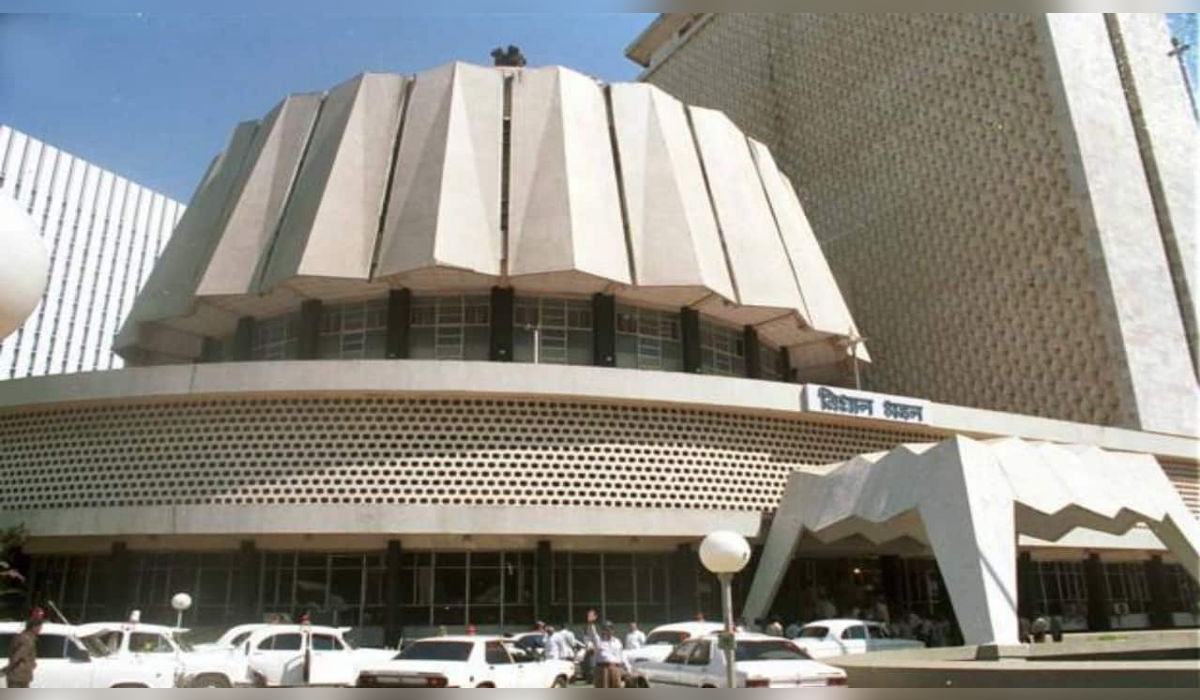
As the year drew to a close, one moment stood out. During the Winter Session of the Maharashtra Legislature in Nagpur, senior legislator Jayant Patil — former Finance Minister and leader of the Nationalist Congress Party (Ajit Pawar faction) — raised the issue of Maharashtra’s growing dependence on World Bank and multilateral agency loans. In his speech in the Lower House, he specifically referred to my investigation published by TheNews21.
The government chose not to address the substance of the issue. But by then, something more important had already happened: the investigation had entered the official legislative record. For an investigative journalist, that is not a footnote — it is a milestone. Once recorded in the House, an issue cannot simply be wished away.
Around the same time, in Parliament, MP Mitali Bag raised concerns regarding loans taken by Maharashtra from the World Bank and other multilateral agencies. These interventions were not coincidences. They were outcomes of sustained reporting that refused to treat public debt as a technical abstraction detached from public consequence.
The World Bank Loan Trap: From Files to Public Record
The World Bank Loan Trap series began as a routine examination of foreign-funded projects. What emerged was far more disturbing: a pattern of high-cost borrowing, foreign exchange exposure, commitment charges, delayed utilisation, and long-term repayment burdens quietly transferred to taxpayers.
Instead of celebrating loan signings as achievements, the investigation asked uncomfortable but necessary questions:
Why are external loans being taken when state revenues are rising?
Why are cheaper domestic borrowing options ignored?
Who bears the currency risk?
Why the project timelines are repeatedly extended, inflating interest and commitment costs?
Using documents from the Ministry of Finance, World Bank disclosures, and Maharashtra’s budget papers, the series showed how projects marketed as “developmental assistance” were steadily converting into long-term fiscal liabilities.
The response was not outrage — governments rarely respond that way. Instead, there was studied silence. No detailed rebuttal. No white paper. No clarification. Yet the issue travelled — from newsroom to legislature, and from legislature to Parliament. That journey itself is evidence of impact.
RTIs: The Quiet Backbone of Accountability
If one instrument defined my journalism in 2025, it was the Right to Information Act — not as a symbolic exercise, but as a method. RTIs were used to trace decision-making trails: how tenders were framed, how loans were approved, and how policies were justified.
The responses revealed a familiar pattern. Files moved without recorded justification. Decisions were defended retrospectively. Replies were delayed, partial, or evasive. Yet even silence mattered. When authorities refuse to answer documented questions, that refusal itself becomes part of the evidence.
RTIs were not filed to provoke confrontation. They were filed to establish records. In governance, records outlast rhetoric.
Tenders, Cartels, and Manufactured Urgency
Another defining theme of 2025 was the scrutiny of public tenders — particularly in infrastructure, energy, and procurement. Across cases, similar red flags emerged: restrictive eligibility criteria, predictable winners, inflated estimates, and limited competition.
These were not casual allegations. They were patterns visible in bid documents, comparative costing, and repeat awards. Tenders are often dismissed as technical territory. In reality, they are where governance either survives or collapses.
When tenders become predictable, public money stops being public.
One of the investigative series published during the year proved to be a revealing example. The reporting exposed cartel-like behaviour, questionable allocation patterns, and the systematic exclusion of fair competition. Instead of clear answers, allegations were levelled against me by a political leader, followed by a series of legal notices.
What followed was telling. When we responded with sharper, documented questions — based on tender terms, allocation data, and official records — both the political figure and the beneficiary company chose silence. No rebuttal. No clarification. No engagement.
In investigative journalism, that silence is not failure. It is confirmation. When those accused stop responding, it often means the questions have landed where they hurt.
Also Read: Inside the New SRA: The Machinery Behind Mumbai’s Silent Transformation
Scams without Sirens
Not every scam announces itself with arrests or headlines. Some operate silently, protected by complexity, fatigue, and procedural fog. 2025 saw several such cases, where policy loopholes and administrative shielding normalised loss.
What connected these stories was not scale alone, but absence of accountability. Files closed without explanation. Enquiries indefinitely “under process.” Responsibility diluted across departments.
This is where journalism’s role becomes uncomfortable but essential — to keep asking the same question until silence itself becomes indefensible.
The Cost of Asking Questions
Investigative reporting is often romanticised. The reality is sobering. It demands time, legal vetting, repeated verification, and personal resilience. This year, as in earlier ones, there were moments of pressure and isolation.
But there was also affirmation — from readers, fellow journalists, and occasionally from within the system itself. When legislators cite investigations and Parliament echoes concerns raised by independent journalism, it reinforces a simple truth: accountability does not require permission.
Why 2025 Matters
2025 will not be remembered as the year governments embraced transparency. It will be remembered as a year when questions refused to disappear.
The government may avoid answering. Files may move slowly. But once an issue is documented — in print, in legislatures, and in Parliament — it becomes part of the democratic record.
That is the real achievement of this year’s work.
Looking Ahead
As we move into 2026, the challenges remain. Debt will rise. Projects will multiply. Narratives will grow louder. But so will scrutiny.
The task ahead is not to be louder than power — but to be more precise. More documented. More persistent.
Because journalism is not about winning arguments.
It is about ensuring that those who wield power are never allowed the comfort of forgetting what they have done.
And if 2025 proved anything, it is this: When investigations enter the record, accountability begins — even if justice takes longer to follow.