X: @the_news_21
Mumbai: As India pushes toward its long-term goal of becoming a “Viksit Bharat” or developed nation, the Central government is preparing for one of the biggest changes in rural welfare policy in two decades. The proposed Viksit Bharat–Guarantee for Rozgar and Ajeevika Mission (Gramin) Bill, often referred to as VB-GRAM-G, is expected to replace the Mahatma Gandhi National Rural Employment Guarantee Act (MGNREGA), a flagship programme that has shaped rural livelihoods since 2005.
The government describes this move as a reform, not a rollback. According to officials, the aim is to modernise rural employment support, reduce misuse of funds, and make public spending more effective and accountable. At the same time, the proposal has sparked a wide debate about whether India is moving away from a rights-based welfare model toward a more centrally managed, budget-driven system.
This transition, if it happens, could redefine how rural employment is provided, funded and monitored in the years ahead.
Why the Government Feels Change Is Needed
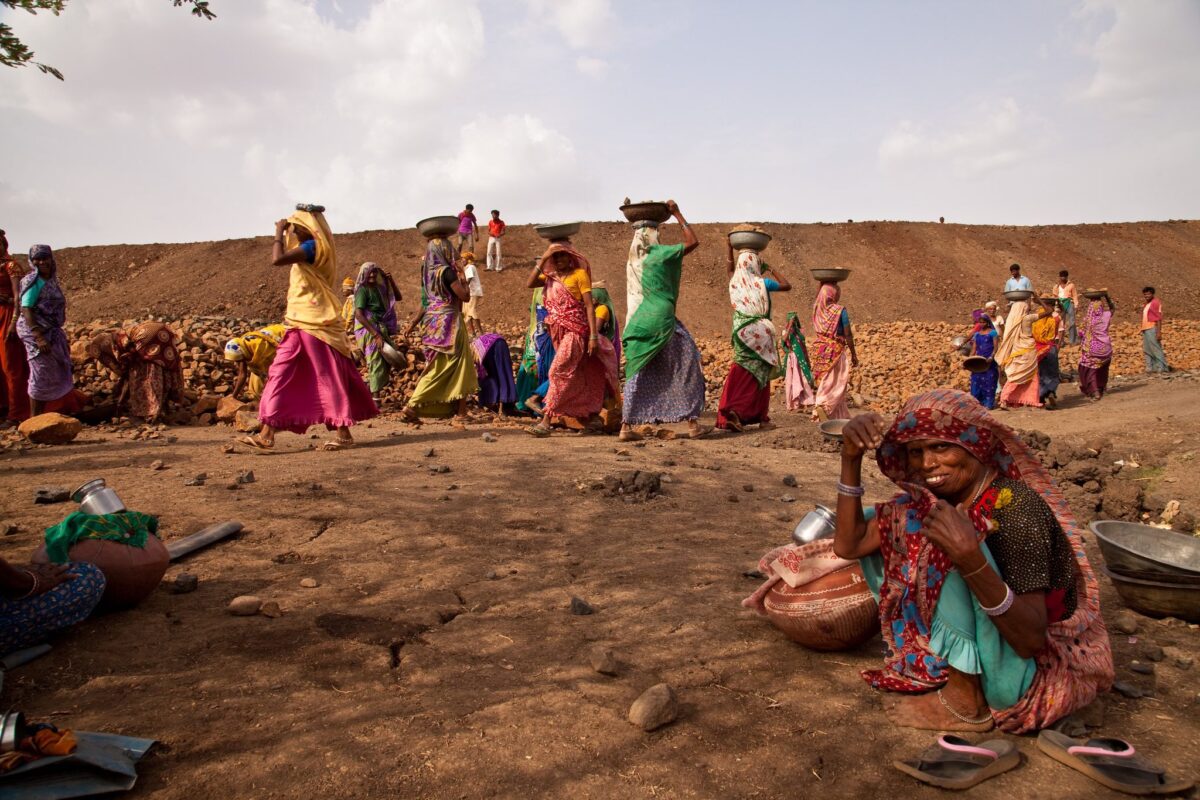
MGNREGA was introduced at a time when rural unemployment, distress migration and poverty were severe. Over the years, it helped millions of families by providing up to 100 days of wage employment, especially during lean agricultural seasons. It also contributed to the creation of basic rural assets like village roads, water conservation structures and irrigation facilities.
However, the government argues that the scheme has accumulated serious weaknesses. Reports from audit bodies and field investigations have pointed to fake job cards, inflated work records, delayed wage payments and poor-quality assets in some regions. In several cases, funds meant for workers were allegedly misused or diverted.
From the Centre’s point of view, simply increasing allocations without fixing these structural problems is not a sustainable solution. Officials believe that a new framework is required—one that uses technology, tighter financial controls and clearer accountability to ensure that money reaches genuine workers.
What the New Framework Proposes
The proposed VB-GRAM-G Bill is designed as a mission-mode programme rather than a legal entitlement. According to the government, this shift will allow better planning of expenditure and avoid the problem of unpaid dues piling up at the end of the financial year.
Key features under discussion include digital attendance systems, Aadhaar-linked wage payments, geo-tagging of assets and performance-based release of funds. The idea is to match spending more closely with verified demand and completed work, reducing leakages and delays.
The government also argues that bringing rural employment spending under a structured expenditure plan will help maintain steady cash flow throughout the year, instead of exhausting funds early and struggling later.
Rights-Based Law vs. Managed Scheme
One of the central concerns raised by critics relates to the nature of employment itself. MGNREGA is a law that guarantees work on demand. If employment is not provided within a fixed time, workers are entitled to an unemployment allowance. This legal backing gave rural labourers a certain bargaining power and sense of security.
The proposed VB-GRAM-G model, however, is expected to operate within annual budget limits. Critics fear this could make employment availability dependent on fiscal decisions rather than actual need on the ground. They argue that in times of drought, economic slowdown or natural disasters, such limits may fail to reflect real rural distress.
Supporters of the reform counter that fiscal responsibility is essential for long-term welfare. With rising demands on government spending—from health and education to infrastructure and defence—they say unchecked expenditure is no longer practical.
Role of States and Panchayats
MGNREGA gave a significant role to local institutions. Gram sabhas identified works, Gram Panchayats implemented them, and states had operational flexibility. This decentralised approach was meant to ensure that projects matched local needs.
Under the new proposal, the Centre is expected to play a stronger monitoring role. While Panchayats and states will continue to be involved, implementation may follow more standardised national guidelines. The government believes this will reduce disputes between states and the Centre over fund misuse and improve coordination.
Critics, however, worry that excessive centralisation could weaken local self-governance and reduce the ability of villages to decide their own priorities.
Wages, Workdays and Worker Concerns
Another key issue is wages. MGNREGA wages are often criticised for being too low and not fully aligned with current living costs. Parliamentary panels have recommended revising wage calculations and increasing daily pay, but changes have been limited.
The new Bill has not yet clearly addressed whether wages will be raised or how many days of work will be guaranteed. In recent years, average employment under MGNREGA has been around 50 days per household, far below the promised 100 days.
Worker groups fear that without a legal guarantee, both wages and workdays could become more uncertain. The government, on the other hand, says the focus will be on creating better-quality, skill-linked work that contributes to long-term rural development rather than just counting workdays.
Technology: Solution or New Barrier?
Technology is central to the government’s reform plan. Digital tools have helped reduce some forms of corruption, but they have also created challenges. Biometric failures, lack of internet access and technical errors have led to exclusion of elderly workers, tribal communities and people in remote areas.
The success of VB-GRAM-G will depend on whether technology is used as a support system rather than a barrier. Transparency must go hand in hand with accessibility if the programme is to remain inclusive.
A Transition with High Stakes
The government insists that the proposed Bill marks a transition, not an end to rural employment support. It argues that India’s rural economy has changed over 20 years and welfare systems must evolve accordingly.
For rural workers, however, the real measure will be practical outcomes: timely work, fair wages, reliable payments and dignity. For policymakers, the challenge is to balance efficiency with compassion, fiscal discipline with social security.
As the Bill moves toward wider debate and possible parliamentary scrutiny, its final shape will reveal how India chooses to support its rural backbone while pursuing its vision of a developed nation.