X: @vivekbhavsar
Mumbai: On April 22, 2025, India woke up to the horror. A brutal terrorist attack in Pahalgam, Kashmir claimed the lives of 26 Indian tourists. The government responded swiftly and firmly. Prime Minister Narendra Modi declared, “Water and blood cannot flow together,” cutting off Indus river flows into Pakistan. By May 7, India had launched Operation Sindoor, a bold military strike across the border. And within days, an all-party delegation was dispatched worldwide to project India’s united front against cross-border terrorism.
Amid this atmosphere of grief and nationalism, the World Championship of Legends (WCL) was marketing its biggest attraction: an India vs Pakistan match. Tickets sold out in Birmingham’s Edgbaston stadium. Glossy posters promoted the clash of “Champions.” Yet the timing was tone-deaf. The league, co-owned by Bollywood actor Ajay Devgn and founded by Harshit Tomar, appeared more focused on profit than patriotism.
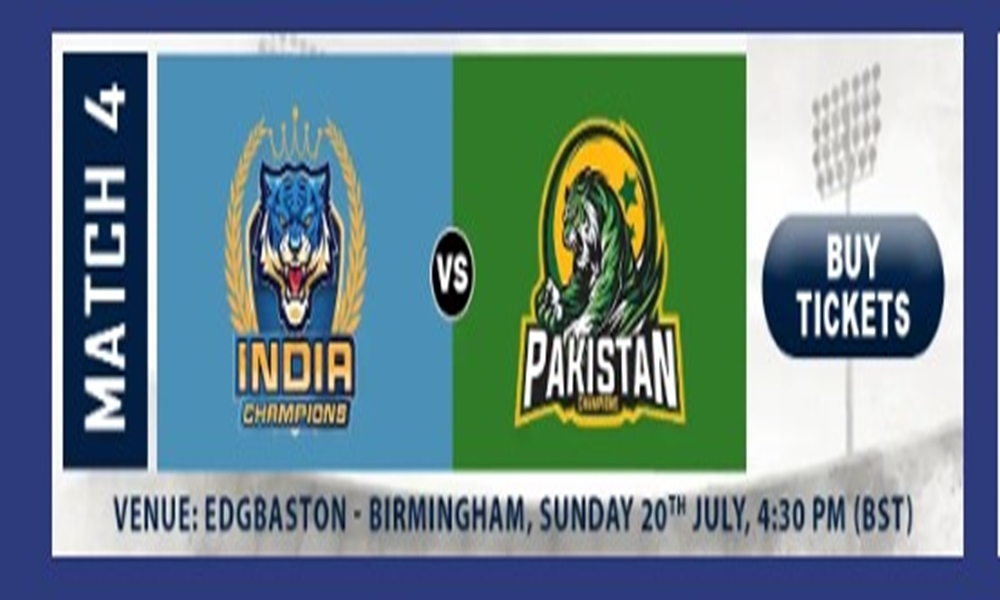
Launched in 2024, the WCL positioned itself as the only ECB-approved legends cricket league. It brought together retired but beloved international stars for competitive T20 cricket. With viewership crossing 325 million in its debut edition, it became the second-most-watched cricket tournament globally after the IPL. For 2025, WCL expanded to four UK cities—Birmingham, Leicester, Northampton, and Leeds. It attracted marquee names like Yuvraj Singh, Kevin Pietersen, Chris Gayle, and Shahid Afridi. At the helm was Harshit Tomar, a reality-TV-star-turned-music-producer-turned-sports-entrepreneur. Alongside him stood Ajay Devgn, Bollywood heavyweight lending star power and business credibility. Their leadership team marketed WCL as a “visionary platform” to blend nostalgia with entertainment. But ambition collided with reality when WCL scheduled a Pakistan Champions vs India Champions match in July 2025—in the immediate aftermath of Pahalgam.
The India–Pakistan rivalry has always been cricket’s most lucrative fixture. Organisers knew it would sell out stadiums, drive sponsorships, and guarantee TV ratings. Yet, for many Indians, this was no time for cricketing nostalgia. Families of victims were still in mourning. The Army was engaged across the Line of Control. The government’s official stance was “no cricket with Pakistan until terrorism ends.” In that context, Tomar and Devgn’s decision to press ahead with ticket sales seemed at best insensitive, and at worst, a betrayal of patriotic duty.
It wasn’t just the public who objected. Indian legends themselves refused to play. Shikhar Dhawan pulled out early, informing organisers on May 11 that he would not face Pakistan. Harbhajan Singh, Irfan Pathan, Yusuf Pathan, and Suresh Raina followed, citing “sentiments of the nation.” Dhawan later took a strong stand after Pakistan’s Shahid Afridi insulted the Indian Army on Samaa TV: “We defeated you in the Kargil war. To what levels can you stoop? We are proud of our Army. Bharat Mata ki Jai!” These withdrawals robbed the fixture of legitimacy. Without Indian legends, there could be no India–Pakistan “Champions” clash.

As outrage grew, WCL organisers faced no choice. On July 19, just a day before the scheduled clash, they announced cancellation: “We regret hurting the sentiments of fans and Indian legends. The India vs Pakistan fixture at Edgbaston will not take place.” But for many critics, this was too little, too late. Why had the match been scheduled at all, given the context? Would WCL have gone ahead had the players and public not revolted?
Both Harshit Tomar and Ajay Devgn now face uncomfortable questions. Tomar, who once made his name in entertainment and music, built WCL into a multi-million-dollar venture. But in his quest to position it as the “world’s premier legends league,” did he sacrifice national sensitivity for international profits? Ajay Devgn, beloved as a patriotic Bollywood star who played roles in films like Bhuj and Tanhaji, now finds himself accused of hypocrisy. Fans ask: how can a reel-life patriot endorse an India–Pakistan contest amid terror tensions? The episode highlights the dilemma when celebrities juggle business ventures with patriotic image.
This controversy is not just about one match. It goes to the heart of how sports and business intersect with national sentiment. For Tomar and Devgn, WCL is a business. The India–Pakistan fixture is the most marketable rivalry in cricket history. To exclude it would mean lost revenue, diminished global buzz, and weaker commercial returns. But cricket is not just sport in India—it is an extension of national identity. Scheduling an India–Pakistan game while the country is burying terror victims and waging counter-terror operations felt like a betrayal of solidarity. Ultimately, when patriotism and profit collide, which should prevail?
Nearly a month has passed since the cancellation, but India’s position has only grown firmer. Just yesterday, the Ministry of Youth Affairs & Sports reiterated that India will not participate in any bilateral sports events with Pakistan, including cricket, under any circumstances. It clarified that while India will continue to meet Pakistan in multilateral tournaments such as the Asia Cup or World Cup, bilateral cricket remains permanently off the table. This fresh stance underscores why revisiting the WCL episode remains crucial: scheduling that match was not only ill-timed then—it was fundamentally out of sync with India’s policy and public sentiment that remain unchanged today.
The World Championship of Legends was supposed to be about nostalgia, entertainment, and the glory of retired cricket stars. Instead, it stumbled into controversy by placing commerce above conscience. By scheduling India vs Pakistan in the shadow of bloodshed, WCL reminded the nation of one eternal truth: cricket can bring joy, but patriotism must come first. As India rebuilds after Pahalgam and honours its martyrs, it expects its icons—whether from Bollywood or the boardroom—to remember that national pride is not for sale at the ticket counter.
TheNews21 has contacted WCL seeking official clarification on the number of tickets sold and the refunds processed after the cancelled India–Pakistan match. At the time of publication, no response had been received. This article will be updated if and when WCL replies.