Kabul: Afghanistan’s ruling Taliban has introduced a new 90-page penal code that formally defines family and social conduct under its administration. The code, approved and signed by Supreme Leader Hibatullah Akhundzada, has drawn sharp criticism from international human rights organisations, especially over its impact on women.
Rights groups say the law further restricts women’s freedom, weakens legal safeguards, and makes it harder for victims of abuse to seek justice.
Physical Punishment Permitted Within Limits
One of the most debated provisions allows husbands to physically discipline their wives and children, provided the punishment does not result in broken bones or visible open wounds.
If severe injuries such as fractures occur, the maximum penalty for the abuser is reportedly up to 15 days in prison. Critics argue that this sets a very low threshold for accountability and may discourage victims from reporting abuse.
The law does not clearly ban psychological or sexual violence, leaving major gaps in protection.
Strict Barriers to Seeking Justice
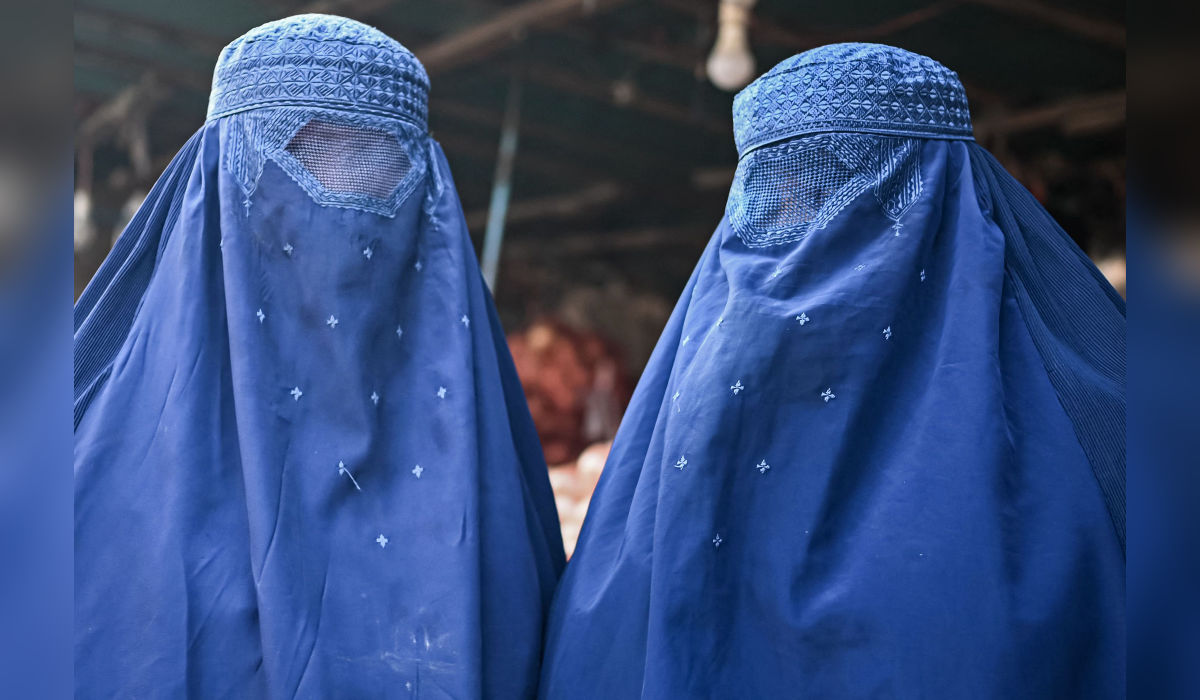
Under the new code, women must appear in court fully covered and accompanied by a male guardian. This rule applies even if the complaint is against the husband.
In addition, a married woman can reportedly face up to three months in prison if she visits relatives without her husband’s permission — even in situations where she may be escaping domestic violence.
Unequal Treatment Under Law
Reports indicate that the penal code prescribes different punishments depending on social classification, including whether a person is considered free or a slave. Human rights observers say this institutionalises inequality within the justice system.
Previous Safeguards Effectively Replaced
The new law replaces earlier protections introduced under Afghanistan’s former government. The 2009 Elimination of Violence Against Women law had criminalised forced marriage, rape, and various forms of abuse.
Activists from the exiled rights organisation Rawadari say the new penal code removes those protections and could legitimise domestic violence. They have called for the immediate suspension of the law in Taliban-controlled courts.
Years of Growing Restrictions
Since returning to power in 2021, the Taliban has imposed sweeping restrictions on Afghan women and girls. Girls are barred from attending secondary schools and universities. Women face restrictions on employment, travel, and access to public spaces.
Healthcare access has also become difficult due to rules requiring male guardians for travel and shortages of female medical staff.